Running a restaurant is like running a high-stakes kitchen. Every element has to come together to create a memorable experience. It is not only about the food, even though that is clearly the star of the show. It is also about how you get people through the door, how you keep them coming back, and how you turn them into your biggest advocates.
With competition at an all-time high, the restaurants that thrive are the ones that take marketing seriously. The good news is you do not need a Michelin star to shine. What you need is the right strategy. In this guide, we will break down the most effective restaurant marketing strategies, complete with practical tips and real-world examples you can start using right away.
1. Develop a Strong Brand Identity That Sticks
Your brand is more than a logo. It is the personality, story, and experience your restaurant delivers. Think about well-known restaurants like Shake Shack or Chipotle. Their food is great, but their branding is what creates long-term emotional connections.
For restaurants, branding starts with:
- A clear logo and visual identity, including colors, fonts, menus, and signage
- A consistent tone of voice, whether playful, elegant, or casual
- Storytelling that explains why you started, what you stand for, and what makes you unique
SEO tip: Branded keywords are powerful. When your brand story is consistent, customers search for you directly (for example, “Cassie’s Café Toronto”). This improves your rankings.
Actionable step: Write down three words that describe your restaurant’s vibe, such as cozy, authentic, or modern. Then review your visuals and messaging to see if they match. If not, adjust your branding to align more closely.
2. Invest in Professional Food Photography
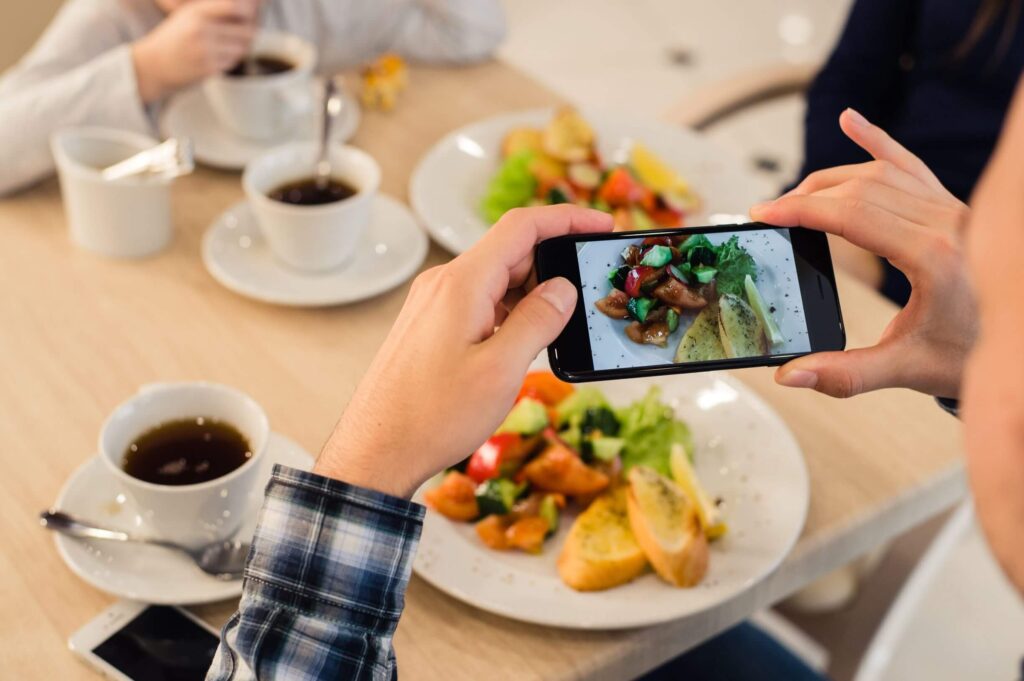
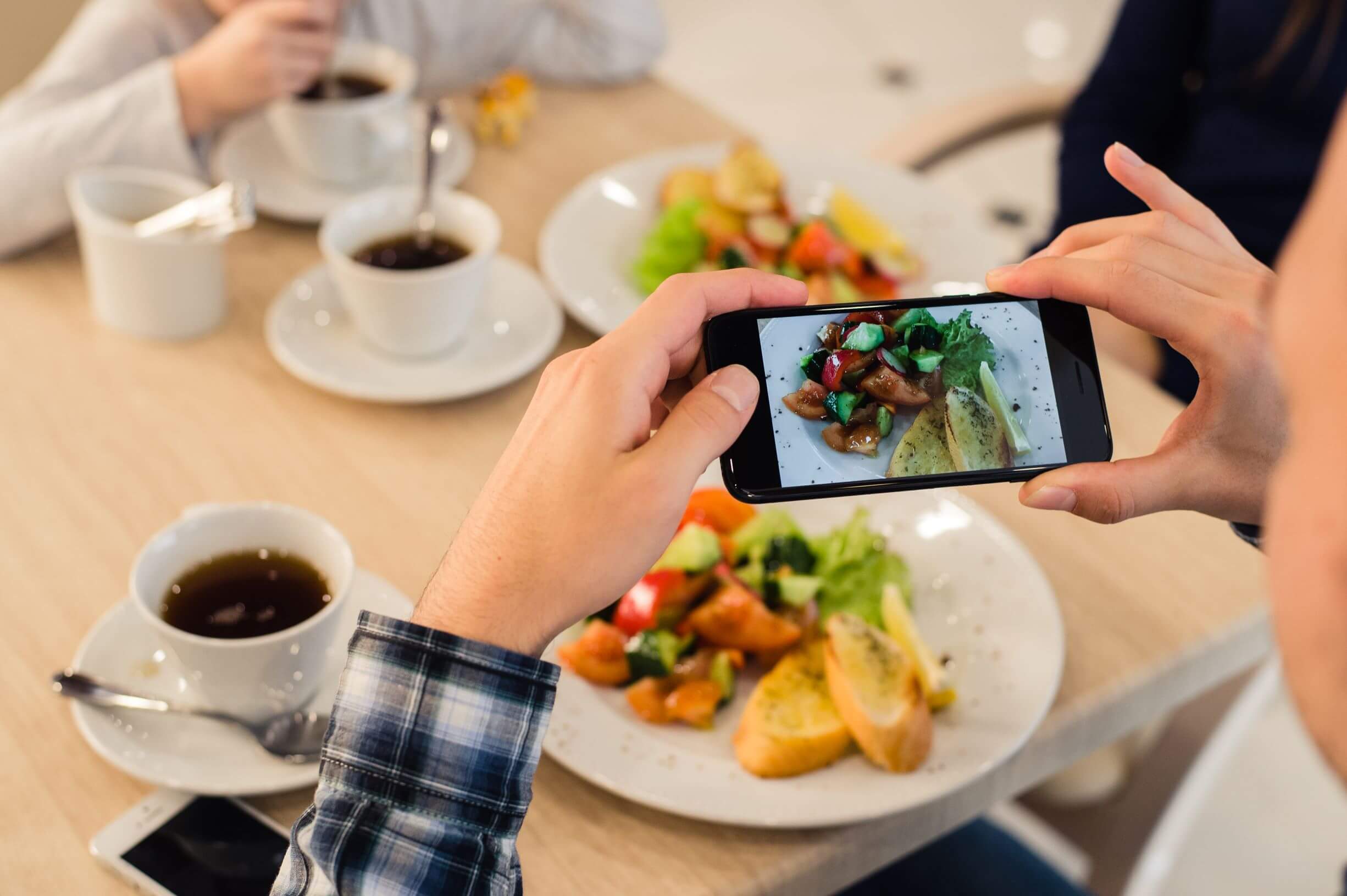
Scroll through Instagram for five minutes and it is clear that photography is the bread and butter of restaurant marketing. Blurry phone pictures no longer work. Customers expect high-quality, eye-catching visuals.
Here is how to make the most of food photography:
- Use natural light to highlight fresh, true colors
- Focus on signature dishes that represent your brand
- Mix styled shots of hero dishes with candid images, such as behind-the-scenes prep or table settings
- Build a photo library for your website, menus, delivery apps, newsletters and social media
Case study: A Toronto-based pizzeria increased reservations by 40 percent after updating their website and Google Business Profile with professional photography.
Actionable step: Schedule professional food photography at least once per season. Use the images across every channel where your customers interact with you.
3. Master Local SEO and “Near Me” Searches
When someone searches “best sushi near me,” the restaurant that shows up first usually gets the booking. That is why local SEO is so important.
Steps to strengthen your local SEO:
- Claim and optimize your Google Business Profile
- Keep your hours, menu, and photos up to date
- Encourage customers to leave reviews
- Add location-based keywords to your website, such as “Italian restaurant in Oakville”
SEO tip: Reviews not only influence customers, they also influence Google’s algorithm. More positive and recent reviews help you rank higher.
Actionable step: Train staff to politely ask for reviews after each visit. For example, “Would you mind leaving us a quick Google review? It helps more people discover us.” You can also offer a small incentive, such as a discount on their next meal.
4. Use Social Media as a Storytelling Stage
Restaurants that perform well on social media are not just posting food photos. They are telling stories. The real power of social lies in showing the people, the moments, and the experiences behind the plates.
Content ideas that work:
- Behind-the-scenes videos of your chef in action
- Staff spotlights that introduce your team members
- Reposts of customer photos, giving credit to their creators
- Interactive polls or Q&A sessions where followers can suggest menu items
Example: Wendy’s is famous for its witty Twitter personality. You do not need to copy their tone, but you should find a style that fits your brand and use it consistently.
Actionable step: Create a 30-day social media calendar. Mix professional photography with casual videos to give your feed both polish and authenticity.
5. Build an Email Marketing Program That Works
Email is one of the most cost-effective marketing tools for restaurants. It creates a direct line to your customers without algorithms getting in the way.
Ideas for restaurant email campaigns:
- Weekly specials or seasonal menus
- Personalized birthday or anniversary offers
- Exclusive early access to new dishes
- Invitations to events, tastings, or themed nights
Pro tip: Segment your list. Send different emails to weekday lunch customers than you do to weekend brunch-goers.
Actionable step: Add a sign-up form to your website and offer a small perk, such as 10 percent off the first meal. Aim to send at least two value-driven emails per month.
6. Create Loyalty Programs That Feel Special
Discounts are common, but customers love feeling like insiders. Loyalty programs are your chance to make them feel valued.
Ideas to try:
- Punch cards such as “dine five times, get the sixth free”
- Digital loyalty apps that track visits
- A members-only menu with secret dishes
- Points that can be redeemed for merchandise, cocktails, or desserts
Case study: Starbucks Rewards drives nearly half of Starbucks’ total revenue, proving that a well-designed program can be a major growth engine.
Actionable step: Test one loyalty idea for three months and track results. Focus on repeat visits and revenue to see if it is effective.
7. Partner With Local Influencers and Food Bloggers
You do not need celebrity endorsements to make an impact. Micro-influencers with smaller but highly engaged audiences are often more effective for restaurants.
Ways to collaborate:
- Invite influencers to a private tasting
- Host a behind-the-scenes kitchen tour
- Encourage them to post authentic, honest content rather than overly scripted promotions
Example: A ramen shop in Vancouver worked with local food bloggers and grew its Instagram following by 70 percent in only two weeks.
Actionable step: Identify ten local influencers whose followers match your audience. Send them a personalized invitation to dine and share their experience.
8. Embrace Video Marketing
Short-form video content has become a necessity, thanks to platforms like TikTok and Instagram Reels. Video adds movement, sound, and personality to your brand that photos cannot.
Video ideas to try:
- Quick recipe tutorials featuring your chef
- Time-lapse clips of a busy night of service
- Customer “first bite” reactions
- Mini-stories about how your restaurant began
Fun fact: Restaurants using video on Instagram grow their audience nearly 50 percent faster than those that do not.
Actionable step: Record a 10 to 15-second video of your most popular dish being served and post it consistently.
9. Keep Your Website Sharp and Mobile-Friendly
Your website is often the first taste of your brand that customers get. If it is outdated or hard to navigate, many will move on. Studies show that 70 percent of diners check a restaurant’s website before deciding to visit.
Essentials for your restaurant website:
- An easy-to-read menu with updated prices
- Hours and contact information clearly displayed
- High-quality photography
- Online reservations or ordering options
- A design that works seamlessly on mobile devices
Actionable step: Check your website from your phone. If it is slow, confusing, or missing information, it is time for a redesign.
10. Explore Partnerships and Community Engagement
Some of the most effective restaurant marketing strategies happen offline. Local partnerships help build loyalty and give you a stronger presence in your community.
Ideas to consider:
- Partner with nearby businesses for cross-promotions
- Sponsor local sports teams or charities
- Host pop-ups with local breweries, bakeries, or artists
Example: A Toronto café partnered with a florist to create a brunch-and-bouquet package for Mother’s Day. The event sold out in hours.
Actionable step: Identify one local business that complements yours and pitch a cross-promotion idea.
Conclusion: Time to Plate Up Your Marketing Strategy
The best restaurant marketing strategies work like a layered recipe. It is not about relying on one tool, but about combining branding, digital marketing, customer loyalty, and community partnerships into a system that fits your restaurant.
At NOVO MxC, we specialize in helping food and beverage brands turn their marketing into something memorable. Whether you need strategy, branding, packaging design, website design, food photography, video production, or animation, we can help you stand out in a crowded market and grow your business.
Please give us a call at 416-892-2471 or reach out to us using the contact form at the bottom of this page.