Starting a food or beverage brand is exciting. You’ve got a great idea, maybe even a killer recipe, and you can already picture it on store shelves. But before you invest in packaging, production, or a shiny new website, there’s one critical step that separates brands that thrive from brands that stall: market research.
Market research doesn’t have to be boring, expensive, or overly academic. In fact, when done properly, it can be one of the most eye-opening and confidence-boosting parts of building a food brand. This guide breaks it down in a practical, no-fluff way, with real-world actions you can take at every step.
Understand the Problem You’re Solving (Not Just the Product You’re Selling)
Most first-time food founders start with the product. Smart founders start with the problem.
Ask yourself why your product needs to exist. Is it solving a convenience issue, a health concern, a price gap, or a flavor void? The strongest food and beverage brands are built around clear consumer needs, not just personal preferences.
Consumers don’t buy products. They buy solutions that fit into their daily lives.
Action items
- Write down the top three problems your product solves.
- Identify who experiences these problems most often.
- Describe when and where your product fits into their routine.
Define Your Target Customer Like a Real Human
“Everyone” is not a target market. Neither is “people who like food.”
Your goal is to clearly define who your ideal customer is and what motivates them. This includes their age range, lifestyle, shopping habits, values, and price sensitivity. Food buyers behave very differently depending on whether they’re shopping for themselves, their family, or a business.
The clearer your audience, the easier every future decision becomes, from packaging design to marketing channels.
Action items
- Create one primary customer persona and one secondary persona.
- Write a short paragraph describing each person’s lifestyle and shopping habits.
- Identify where they currently buy similar products.
Study the Competitive Landscape in the Real World
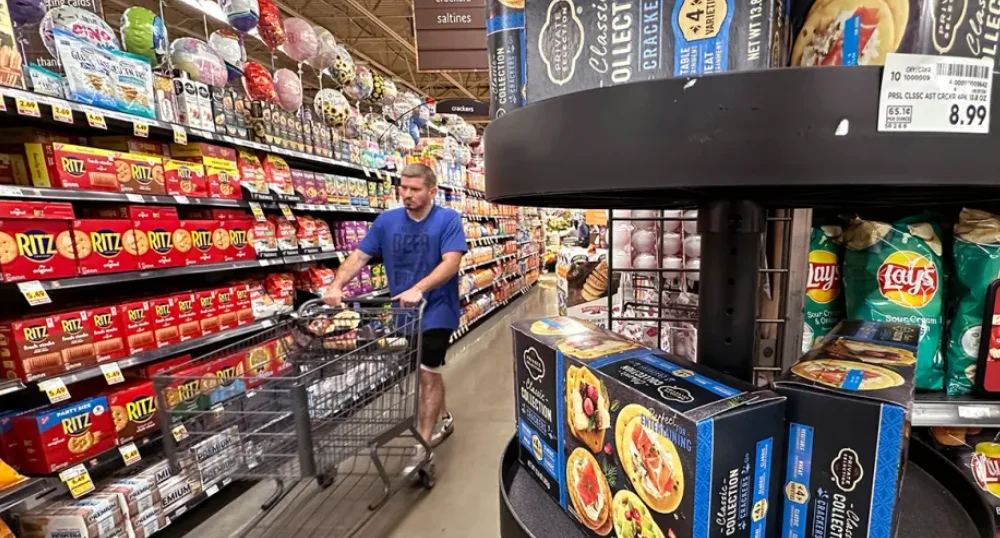
Your competitors aren’t just the brands you admire on Instagram. They’re the products sitting next to yours on the shelf and showing up in the same search results.
Go beyond surface-level research and look closely at pricing, packaging size, ingredients, claims, and branding language. Take notes on what feels overdone and where there might be white space.
This is where you start spotting real opportunities to differentiate.
Action items
- Visit at least three stores where your product would be sold.
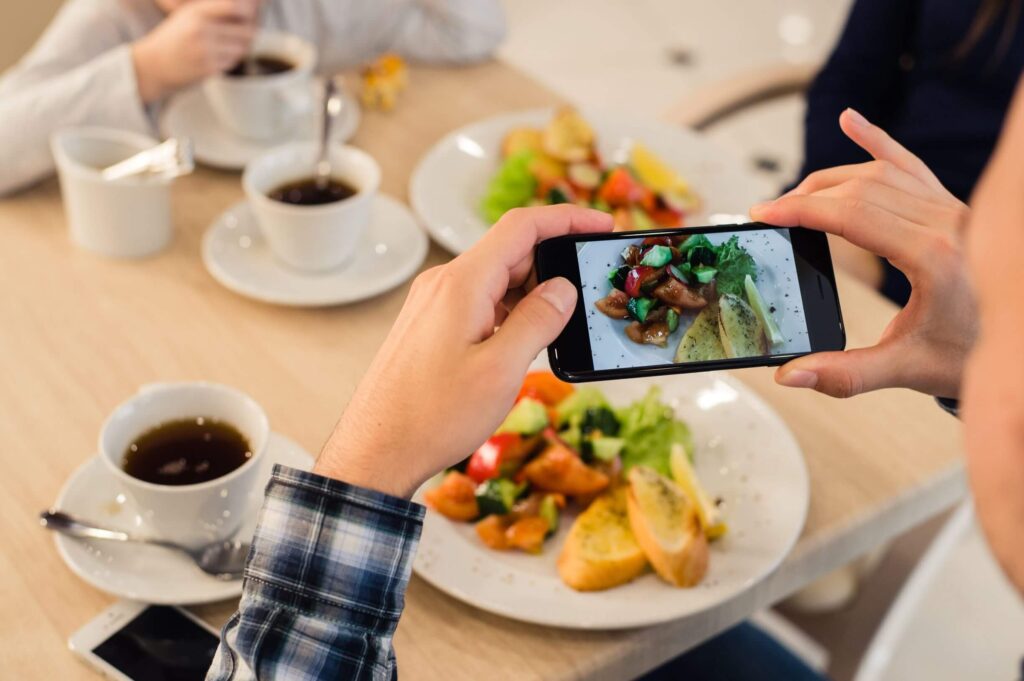
- Photograph competing products and document pricing and claims.
- Identify one thing most competitors are doing the same way.
Validate Demand Before You Invest Heavily
Just because a category is trending doesn’t mean your specific product will sell. Validation helps you confirm whether people are actually interested in buying what you plan to make.
This can be done through small surveys, informal interviews, sampling events, or even test social media ads. The goal is not perfection. The goal is directional confidence.
Real feedback early can save you thousands of dollars later.
Action items
- Create a short survey with five focused questions.
- Share it with people who match your target customer.
- Look for patterns rather than individual opinions.
Analyze Pricing and Margin Expectations
Pricing is one of the most overlooked parts of early-stage food brand research. You need to understand what consumers expect to pay and whether that price supports your production, packaging, and distribution costs.
Look at both premium and value competitors. Your price should make sense within the category while still allowing your brand to grow sustainably.
Action items
- Document retail prices for at least five competing products.
- Estimate your target retail price range.
- Work backwards to confirm if your margins are realistic.
Understand Retail and Distribution Realities
Selling online is very different from selling into physical retail. Each channel comes with its own expectations, costs, and timelines.
Retailers care about consistency, shelf life, packaging durability, and proof of demand. Understanding these expectations early allows you to design your product and brand with scale in mind.
Action items
- Identify whether your initial focus is direct-to-consumer or retail.
- Research basic retailer requirements in your category.
- Make note of packaging formats commonly accepted in-store.
Use Market Research to Shape Your Brand Strategy
Once your research is complete, it should inform every major brand decision. Your name, visual identity, packaging design, messaging, and website should all reflect what you’ve learned about your market.
This is where research turns into real momentum. Brands that skip this step often end up rebranding far sooner than they planned.
Action items
- Summarize your findings in one clear brand direction statement.
- Highlight your key differentiator in one sentence.
- Use this statement as a filter for all future decisions.
Turn Insights Into Action, Not Just Notes
Market research is only valuable if you actually use it. Too many brands collect information and then ignore it when it’s time to make creative or strategic decisions.
The goal is alignment. When your product, brand, and marketing all point in the same direction, growth becomes far more achievable.
Action items
- Prioritize the top three insights that affect your launch.
- Adjust your product or positioning if needed.
- Set clear next steps for branding, packaging, and marketing.
Final Thoughts: You Don’t Have to Do This Alone
Researching the market before starting a food or beverage brand dramatically increases your chances of success. It helps you avoid costly mistakes, clarify your positioning, and launch with confidence instead of guesswork.
The NOVO MxC team has over 20 years of combined experience helping startup food and beverage brands successfully roll out online and into physical retail stores. We work closely with founders and marketing managers to turn research into strategy and strategy into results.
Our services include strategy, marketing services, branding, packaging design, website design, food photography, video production, and animation. If you’re thinking about launching a new food or beverage brand or refining an existing one, we’d love to have a conversation and see how we can help.
Please give us a call at 416-892-2471 or reach out to us using the contact form at the bottom of this page.