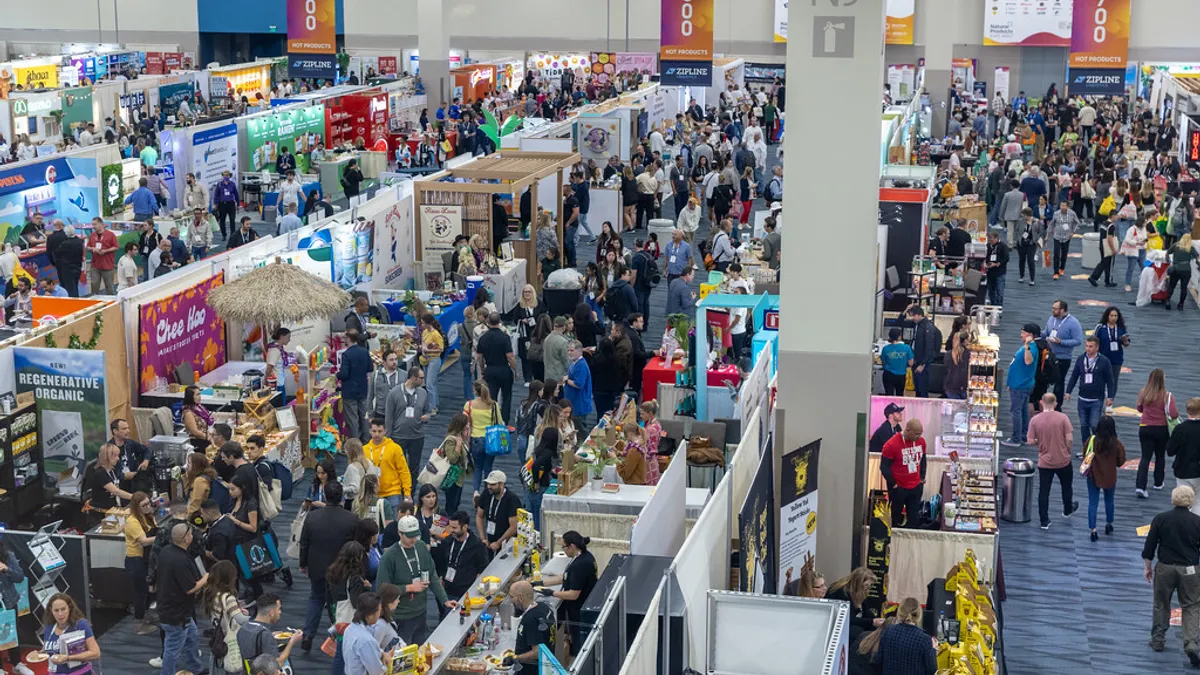
If you work in the food and beverage industry, you already know that tradeshows are one of the tastiest opportunities to get your brand in front of buyers, retailers, media, and consumers. They are fast-paced, high-energy, and full of potential. However, without the right preparation, they can also become a very expensive missed opportunity.
When you commit to attending a tradeshow, you are not just paying for booth space and snacks. You are investing in exposure, business growth, and relationship-building. To get a true return on that investment, you need more than good vibes and freebies. You need a solid game plan that includes clear goals, smart design, and post-show strategy.
At NOVO MxC, we help food and beverage brands make unforgettable impressions at tradeshows. We have seen what works, what flops, and what separates successful brands from those who get lost in the shuffle. This article breaks down everything you need to know so your next show becomes a turning point for your brand.
1. Define Your Tradeshow Goals and Objectives with Intention
Before you book a flight or start sketching your booth layout, take a step back and get specific about your goals. Ask yourself why you are attending this tradeshow. Are you trying to gain retail listings, generate wholesale leads, launch a new product, connect with media, or simply grow awareness?
Having a clear purpose helps you stay focused and avoid distractions. It also allows you to measure success more effectively once the show is over.
For example, if your goal is to connect with retailers, you will need sales materials, a pricing sheet, and a polished pitch. If your goal is exposure, your booth design and giveaway strategy should be your top priorities.
Actionable Tip:
Write down your top three goals for the tradeshow. Make sure each one is measurable. For instance, instead of saying “gain new customers,” write “collect 100 qualified leads from food buyers.” Review these goals with your team so everyone is aligned from the beginning.
2. Develop a Booth That Brings Your Brand to Life
Your booth is your stage. It is the first thing people see, and often the first impression they will have of your brand. A thoughtfully designed booth does more than just look good. It communicates your brand identity, values, and uniqueness instantly.
Whether your vibe is premium and elegant or fun and quirky, your booth should reflect that personality in every detail. Use strong visuals, clear messaging, and purposeful layout. Avoid clutter and try to make your space feel open, welcoming, and easy to navigate.
Booth design is not only about aesthetics. It is also about functionality. Consider how people will move through your space, where they will stop, and what you want them to do. Every visual element should help guide that journey.
Actionable Tip:
Work with professionals to create a booth that balances beauty and strategy. Use high-resolution graphics, branded elements like tablecloths and signage, and easy-to-read copy. Include lighting, shelving, and sample stations that make it easy for people to engage with your product.
3. Create a Memorable Brand Pitch and Talking Points
In a tradeshow environment, you are competing with hundreds of other exhibitors for attention. That means you need to make your message stick. A well-crafted brand pitch helps people understand what you do and why you are different within seconds.
Think of it as your brand’s introduction. It should be short, engaging, and easy to understand. Avoid industry jargon or generic claims. Instead, focus on what makes your product truly unique and valuable to the person you are speaking with.
It is also important to tailor your message. The way you speak to a distributor will be different from how you speak to a consumer or a journalist. Prepare different versions of your pitch and be ready to adapt based on who you are speaking with.
Actionable Tip:
Create three versions of your brand pitch: one for buyers, one for media, and one for general consumers. Practice these with your team until they sound natural. Write out supporting talking points to answer common questions about ingredients, sourcing, pricing, and availability.
4. Make Sampling an Immersive Brand Experience
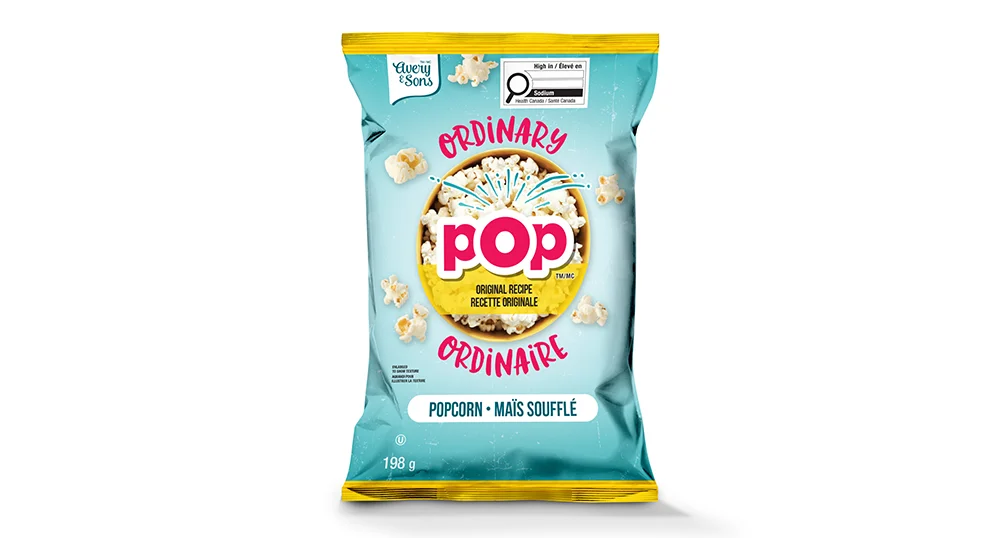
If you are offering food or beverage samples, make sure the experience reflects your brand just as much as the flavor does. Samples are often the first direct interaction people have with your product. The quality, taste, and presentation should leave a lasting impression.
Samples should be served in clean, branded, and easy-to-handle containers. Do not hand out lukewarm soup in a flimsy cup or serve snacks that have been sitting out too long. Keep everything fresh, organized, and safe. And most importantly, always connect the product back to your brand story.
Use this opportunity to engage. When someone tries your product, ask for their opinion, share how it is made, or offer a creative way to use it. This interaction makes the moment more memorable and increases the likelihood that they will follow up.
Actionable Tip:
Use branded cups, spoons, or napkins with your logo. Consider offering recipe cards, mini product guides, or QR codes that link to your website. Make sure you have a dedicated person in charge of managing the sample area, keeping it clean, and engaging with tasters.
5. Assemble a Knowledgeable and Energetic Team
Your team is the face of your brand during the event. They need to be more than warm bodies standing behind a table. Everyone working your booth should understand your products, brand values, and tradeshow goals.
An enthusiastic, well-trained team can make the difference between a visitor walking away or becoming a long-term customer. Your staff should be able to answer questions, speak clearly about your offerings, and connect with people in a genuine way.
In addition to product knowledge, your team should also understand who your target audience is and how to engage them. Make sure they know how to spot a potential lead and how to handle different types of conversations.
Actionable Tip:
Hold a team prep meeting before the event. Review goals, talking points, sample protocols, and lead collection procedures. Create a one-page cheat sheet that includes booth hours, dress code, and key messages. Role-play different scenarios so everyone is ready and confident.
6. Use a Reliable System to Collect Leads
A successful tradeshow is not just about conversations. It is about connections that turn into conversions. If you are not collecting leads in an organized way, you are missing out on valuable follow-up opportunities.
Decide in advance how you will gather contact information. You can use a digital sign-up form on a tablet, QR codes that link to your website, badge scanners, or even paper forms. Whatever method you choose, it should be fast, reliable, and easy for both your team and your visitors.
The more specific your lead collection process is, the easier your post-show follow-up will be. Try to include notes about what the person was interested in so you can personalize your outreach later.
Actionable Tip:
Set up a lead capture form that includes fields for name, email, company, interest level, and notes. Offer an incentive for signing up, such as a giveaway, free sample, or exclusive post-show offer. Assign someone to manage the lead process throughout the event.
7. Follow Up Quickly and Thoughtfully After the Show
This is where many brands fall short. After spending days at a tradeshow, it is tempting to rest and recover. But this is the most important time to act. The sooner you follow up, the more likely you are to convert leads into partnerships, media coverage, or sales.
Create your post-show follow-up plan before the event starts. That way, you can act quickly and stay organized. Your follow-up emails should be timely, relevant, and personalized. Remind them of who you are, reference your conversation, and include a clear call to action.
Also, don’t be afraid to continue engaging people who did not convert immediately. Stay connected through your email list or social media channels and offer ongoing value.
Actionable Tip:
Segment your leads into categories such as buyers, press, and general interest. Send a personalized follow-up email to each within 48 to 72 hours of the event. Include product information, links to your website or lookbook, and an invitation to book a call or place an order.
8. Analyze Performance and Learn for the Future
After the tradeshow ends and your booth is packed up, it is time to evaluate your performance. This step is essential if you want to improve and grow your results at future events.
Compare your results with the goals you set at the beginning. Did you meet or exceed your targets? What worked really well? What could have gone better? Gather feedback from your team and keep detailed notes for your next tradeshow.
You should also analyze any digital results. Check website traffic, social media engagement, lead conversions, and email responses after the show. This data gives you a bigger picture of your overall impact.
Actionable Tip:
Hold a post-show debrief within one week of the event. Discuss lead quality, booth performance, team dynamics, and budget effectiveness. Document everything in a report so you have a reference for next time.
Partner With a Creative Agency That Understands Tradeshows
Preparing for a food and beverage tradeshow takes thoughtful planning, creative execution, and a serious understanding of how to make your brand stand out. At NOVO MxC, we help food and beverage brands do exactly that.
We support our clients by creating compelling brand experiences that grab attention and build lasting relationships. Whether you need a show-stopping booth, eye-catching packaging, a lead magnet website, or branded content that keeps the momentum going, we are here to help.
Our services include:
- Brand Strategy
- Packaging Design
- Website Design
- Photography for Food and Beverage Brands
- Video Production and Animation
- Tradeshow and Retail Display Design
Let’s make your next event your most successful one yet.
Please give us a call at 416-892-2471 or reach out to us using the contact form at the bottom of this page.