So, you’ve cooked up a killer food product or brewed the next best thing since oat milk. You’re buzzing with excitement, ready to feed the masses. But now comes the big question: how do you actually break into the Canadian food and beverage market without getting swallowed up by competition?
Whether you’re launching a snack brand out of your home kitchen, bottling cold brew in the back of a café, or plotting the next big sauce launch from your garage lab, this guide will walk you through the essentials of standing out and scaling up in Canada’s deliciously competitive food scene.
Understand the Canadian Market (and Its Appetite)
Canada isn’t a one-size-fits-all food market. From multicultural metro hubs like Toronto and Vancouver to local farmer’s markets in the Maritimes and Prairie provinces, Canadians love variety and value. They care about where their food comes from, how it’s made, and whether it aligns with their dietary needs, cultural backgrounds, and sustainability values.
With a rising demand for plant-based, allergen-friendly, culturally authentic, and locally sourced products, the Canadian consumer is informed, adventurous, and value-driven. The growth of specialty grocers and health-focused retailers also shows that niche is no longer “niche” – it’s a growing opportunity.
Actionable Tip: Before you start branding or stocking shelves, research what’s already on the market in your category. Use platforms like Mintel, NielsenIQ, or just your local grocer. Identify gaps, flavour trends, and what customers are raving about or skipping. Supplement this by attending CHFA trade shows, talking to store managers, or joining Canadian food business groups on LinkedIn.
Nail Down Your Unique Selling Point (USP)
Ask yourself, why would someone pick your product off the shelf over all the others? Is it your ingredients? Your story? Your cultural authenticity? Your wild-but-it-works flavour combo? Or is it the way you give back to your community?
The truth is, most food categories in Canada are already saturated. What makes brands stand out is a combination of a compelling story, a strong emotional or functional benefit, and trust.
Actionable Tip: Define your “why” and build your branding and storytelling around it. Consumers connect with stories—especially when they’re told with authenticity. A good USP is both clear and crave-worthy. Write a short, one-paragraph elevator pitch that captures your uniqueness, and use it across your website, social bios, and investor decks.
Perfect Your Branding (Because Looks Matter!)
You could have the best-tasting jerky, kombucha, or gluten-free muffin in town—but if your label looks like a DIY project from 2011, it might never make it into the cart. Good branding doesn’t just look pretty; it signals quality, trust, and relevance to your audience.
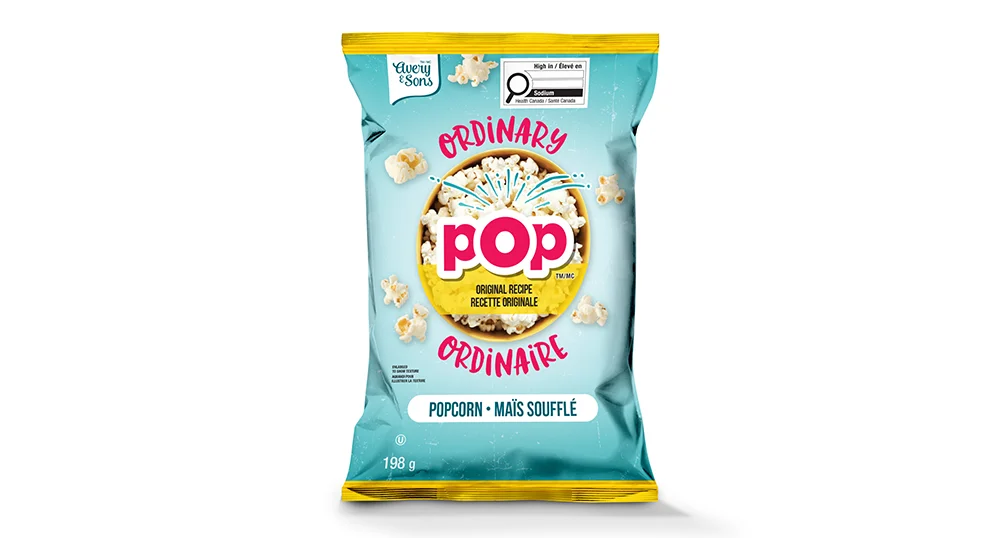
In Canada, bilingual packaging is required by law (English and French), which means design needs to work twice as hard to stay clean, compliant, and appealing. Your visuals also need to appeal to both retailers and end consumers, so clarity is key.
Actionable Tip: Work with a creative team (like us!) that understands the food and beverage landscape. From logo and packaging to tone of voice and social media templates, your brand should be consistently delicious across every touchpoint. Make sure your design also leaves room for CFIA requirements like bilingual info, ingredient panels, and barcodes.
Understand Regulations and Certifications
Canada has strict food safety and labeling laws. You’ll need to meet CFIA (Canadian Food Inspection Agency) requirements, get your Nutrition Facts Table sorted, and possibly look into certifications like Organic, Non-GMO, Halal, or Kosher, depending on your target market.
Allergen declarations, proper ingredient listings, and manufacturing practices must also follow federal and sometimes provincial guidelines. If you’re importing ingredients or selling in other provinces, there might be additional considerations.
Actionable Tip: Budget for compliance from the start. A small investment now can save you major headaches (and potential fines) down the line. Partner with food consultants, CFIA label review specialists, or industry pros who know the Canadian regulations inside and out.
Get Retail Ready (and Distribution Savvy)
Breaking into retail isn’t just about scoring shelf space. You’ll need barcodes (GS1 approved), shelf-ready packaging, liability insurance, and a solid supply chain. Retailers want to know you can keep up with demand, deliver consistently, and provide support through demos, promos, and marketing materials.
Many brands also test waters in farmers markets, food service, or direct-to-consumer e-commerce before pursuing grocery chains. Some go through distributors or brokers, while others manage direct relationships with stores.
Actionable Tip: Start with smaller, independent stores or regional chains before aiming for the big guys like Loblaws, Metro, or Sobeys. Get real-world feedback and iron out any kinks in your operations. Prepare a sell sheet and a wholesale price list so you’re ready for buyer meetings.
Build Hype Through Digital Marketing
The days of relying solely on foot traffic or word-of-mouth are over. To break into the Canadian market, you need to be visible—on Instagram, on Google, in your customer’s inbox.
Digital-first brands have the edge when it comes to storytelling, community building, and feedback loops. A strong online presence helps validate your brand with retailers and consumers alike. It also helps build traction before your product even hits the shelves.
Actionable Tip: Invest in SEO (yes, like this article), run strategic email campaigns, and collaborate with micro-influencers in the food space. Build a digital footprint that gets people hungry for your brand before they even taste it. Bonus tip: consider working with a PR firm or running targeted local Facebook and Google ads.
Test, Learn, and Grow (But Don’t Rush It)
There’s no overnight success recipe—just a bunch of smart decisions layered together over time. Keep track of what’s working (and what isn’t), stay close to your audience, and tweak your approach as you grow.
Use surveys, product samplings, or digital analytics to gather insights. Take customer feedback seriously, especially in your early stages. And remember: innovation isn’t just about adding new SKUs. It could mean new formats, bundles, partnerships, or seasonal editions.
Actionable Tip: Don’t scale before you’re ready. Focus on building community and loyalty before expansion. Success in food and beverage often comes from depth, not just reach. Document your learnings, and revisit your business plan regularly.
Ready to make your brand the next Canadian classic?
At NOVO MxC, we work exclusively with food and beverage brands to bring their vision to life and make them stand out in a saturated market. From brand strategy to packaging design, website development to food photography and animation, we’re your creative kitchen partner.
If you’re looking to grow your business and need help cutting through the noise, reach out to us for a conversation.
Our services include:
- Strategy
- Branding
- Packaging design
- Website design
- Food photography
- Video production
- Animation
Please give us a call at 416-892-2471 or reach out to us using the contact form at the bottom of this page.